The design for the proposed New St. Catherine’s School has taken into consideration the following points:
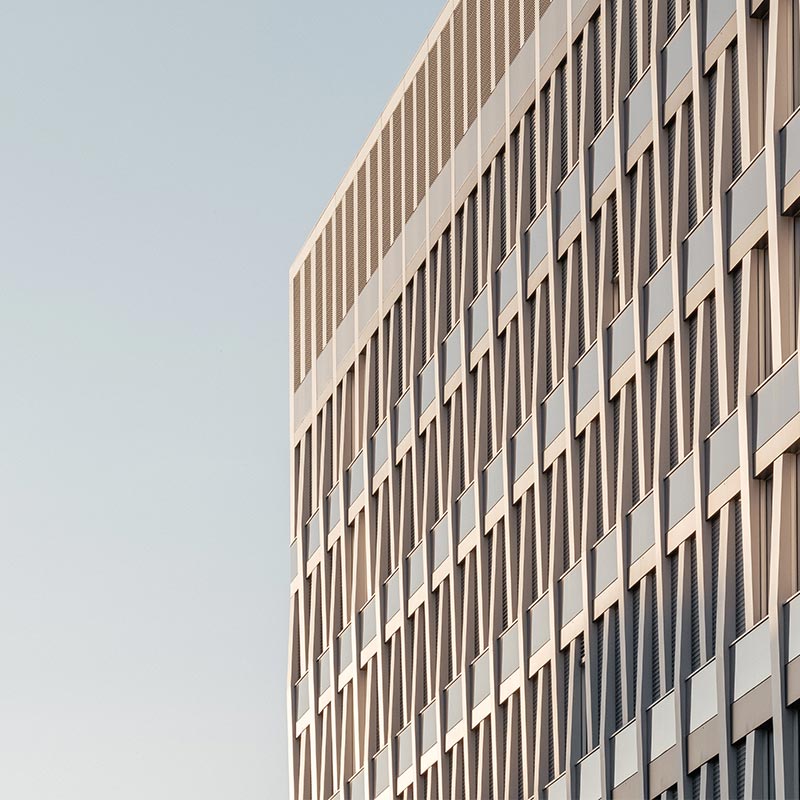
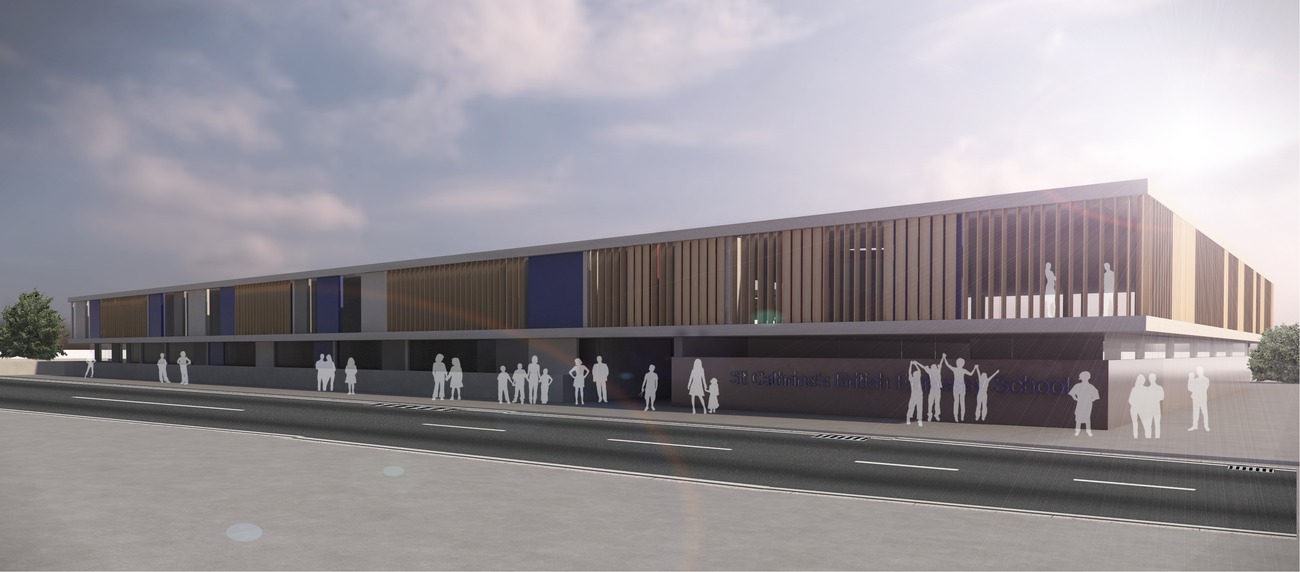
- Create an architectural language which promotes the school’s image as a high quality and welcoming educational institution
- The possibility of independent function of the Theatre/Auditorium and LRC so that it could accommodate activities outside regular school hours (conference, etc) and serve the community at large, thus enhancing the role of the School
- Include physical education and recreational facilities.
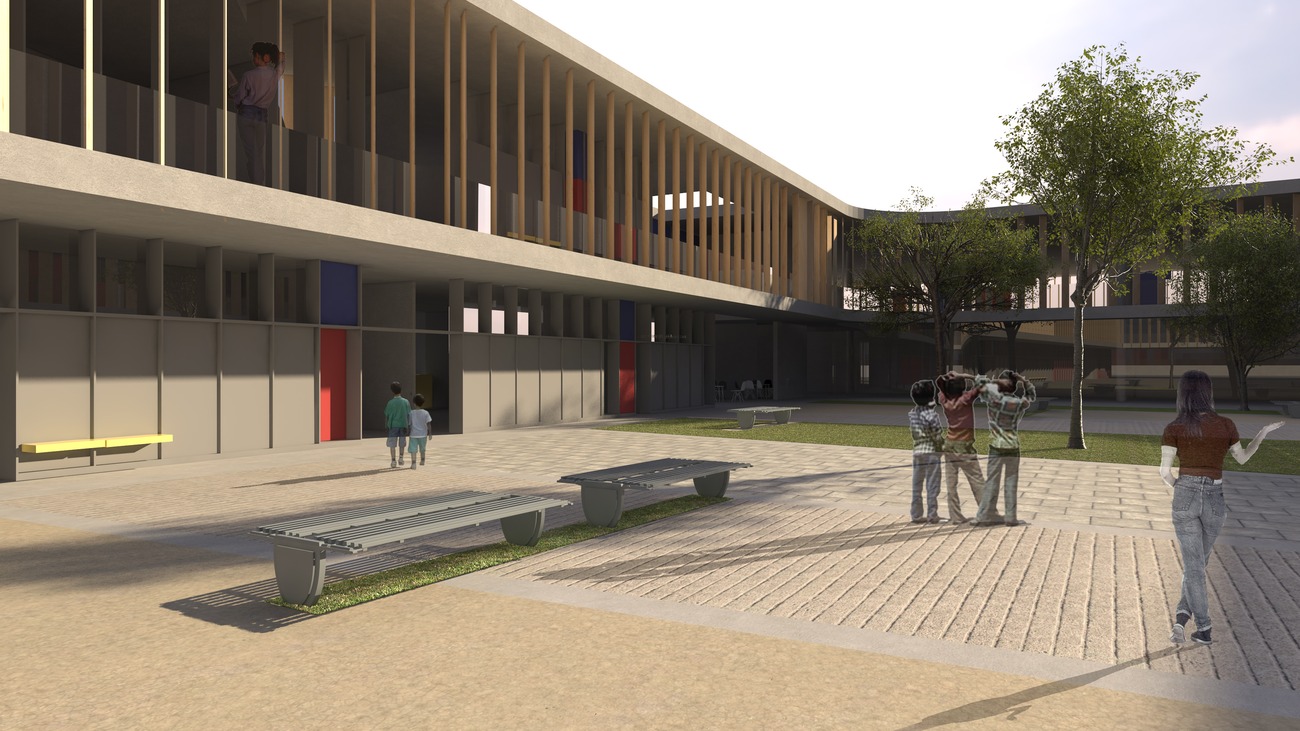
- The importance of “interstitial” spaces and most particularly of the courtyards which encompass the Schools’ community spirit
- The proper orientation of teaching spaces
- The general functional requirements of the various activities and their interdependence
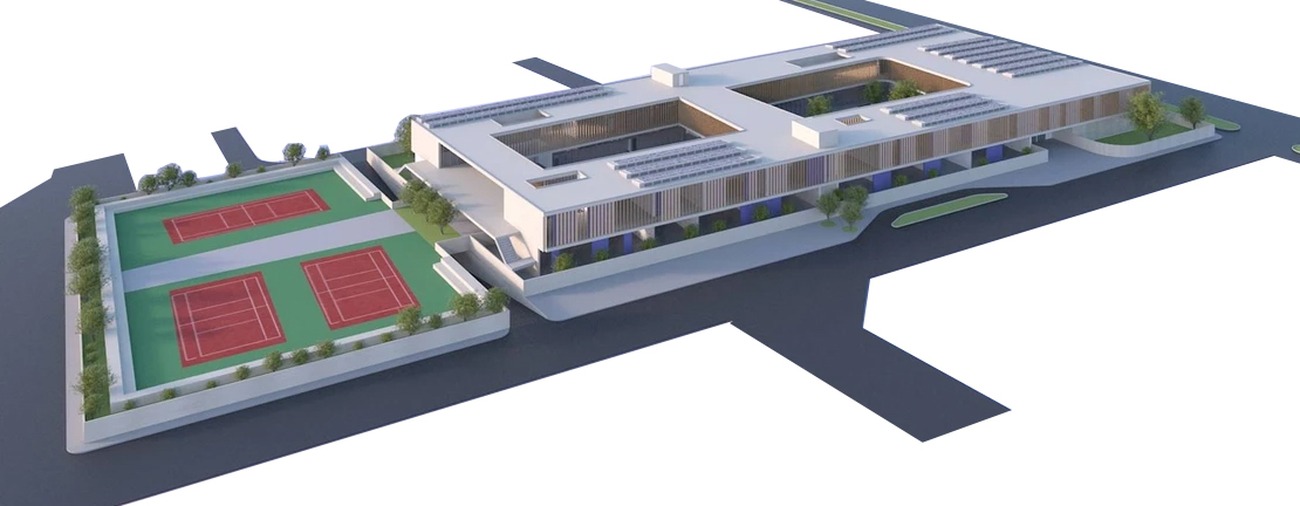
- The max possible autonomy of the building as regards energy matters leading to an “environmental friendly” building complex, with the use of Bioclimatic Architectural elements and ” clean” building technologies.
- Resolve vehicular access and connection issues between the sites to maximize pupils‟ free pedestrian flow
- Create a climatically sound internal environment using sustainable and environmentally sensitive architecture (bioclimatic).
The above-mentioned parameters and criteria have led to related design decisions:
- The potential of the terrain has been exploited both in its orientation andcirculation requirements.
- The School building has been located at the edge for maximum safety of the students
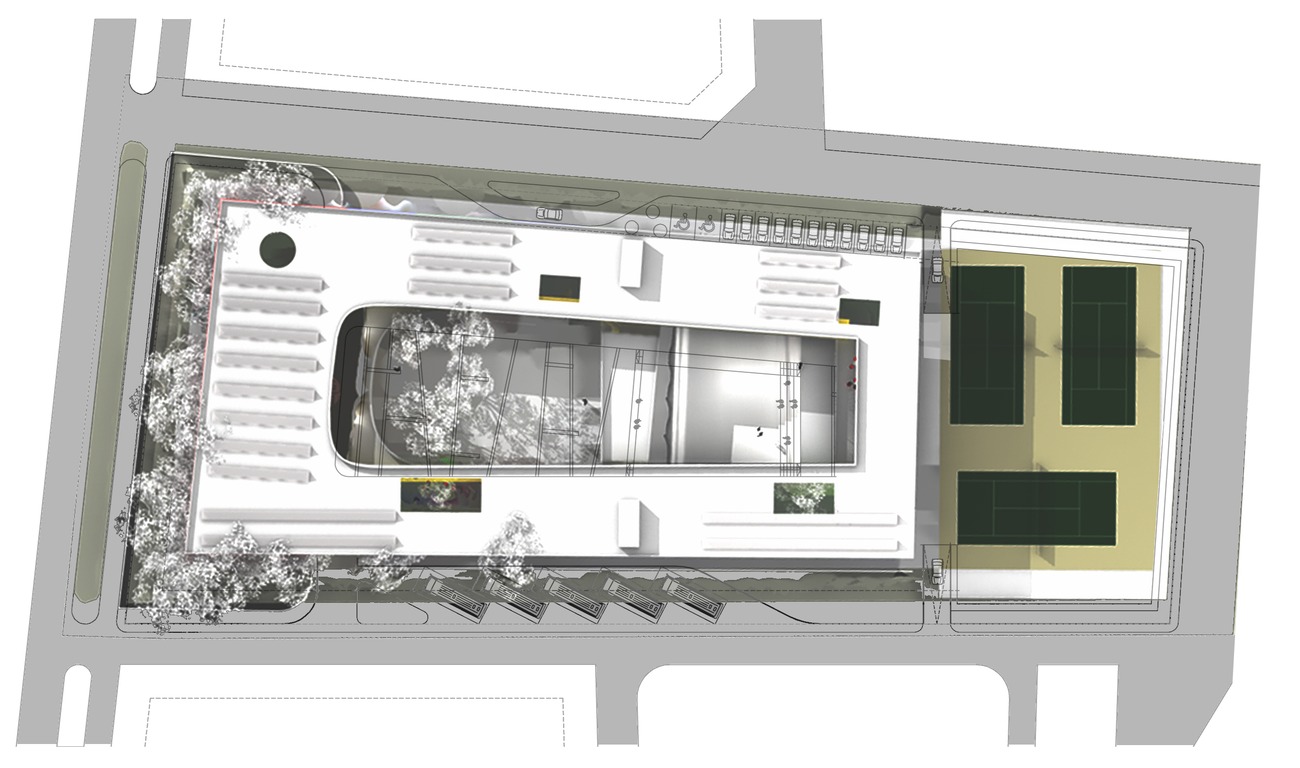
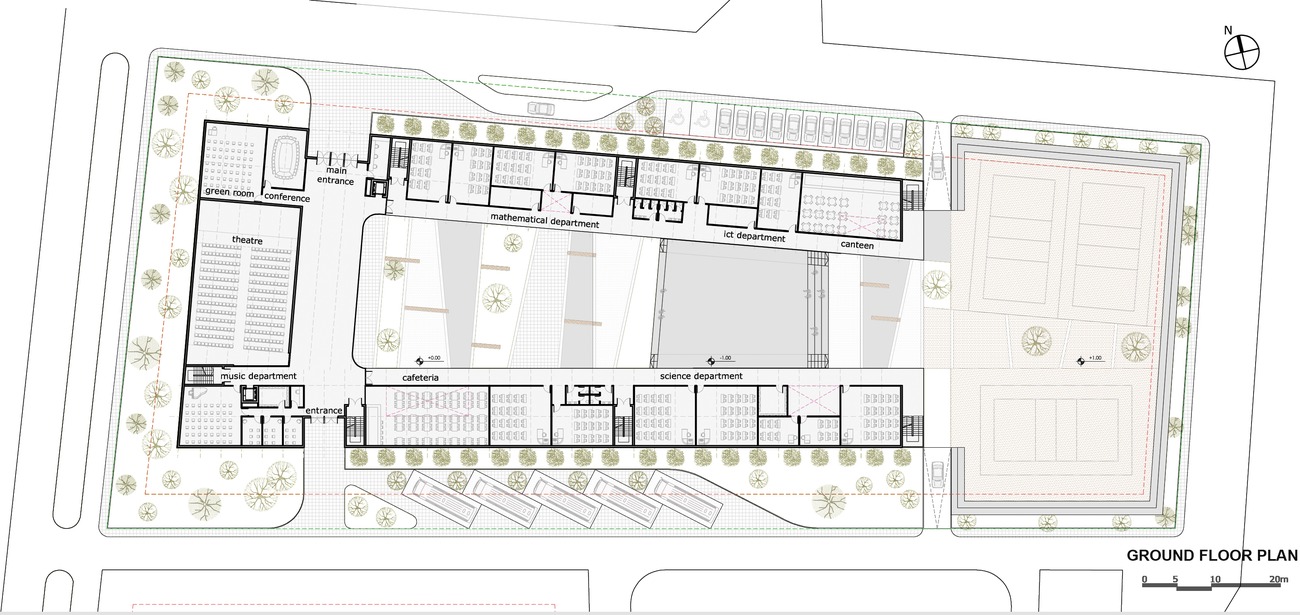
- Two Accesses to the School building one from the North (main entrance for cars-pedestrians), one from the south (secondary entrance -buses ) to minimize the school bound traffic and connect the school to the proposed extension (Wella site).
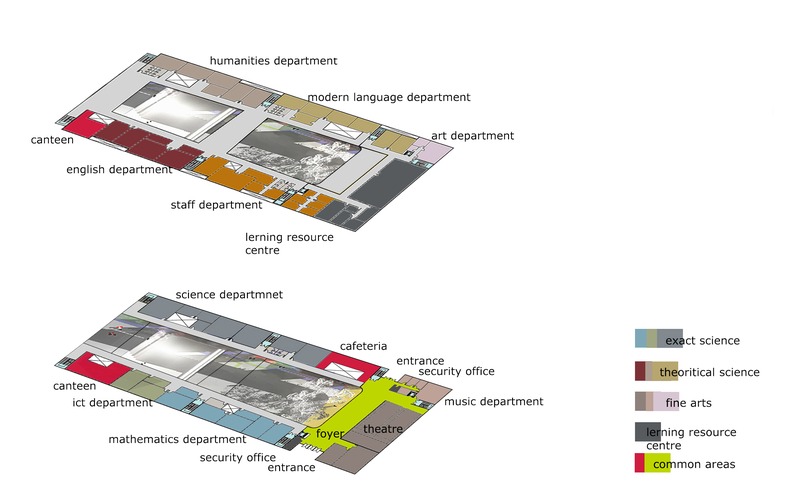
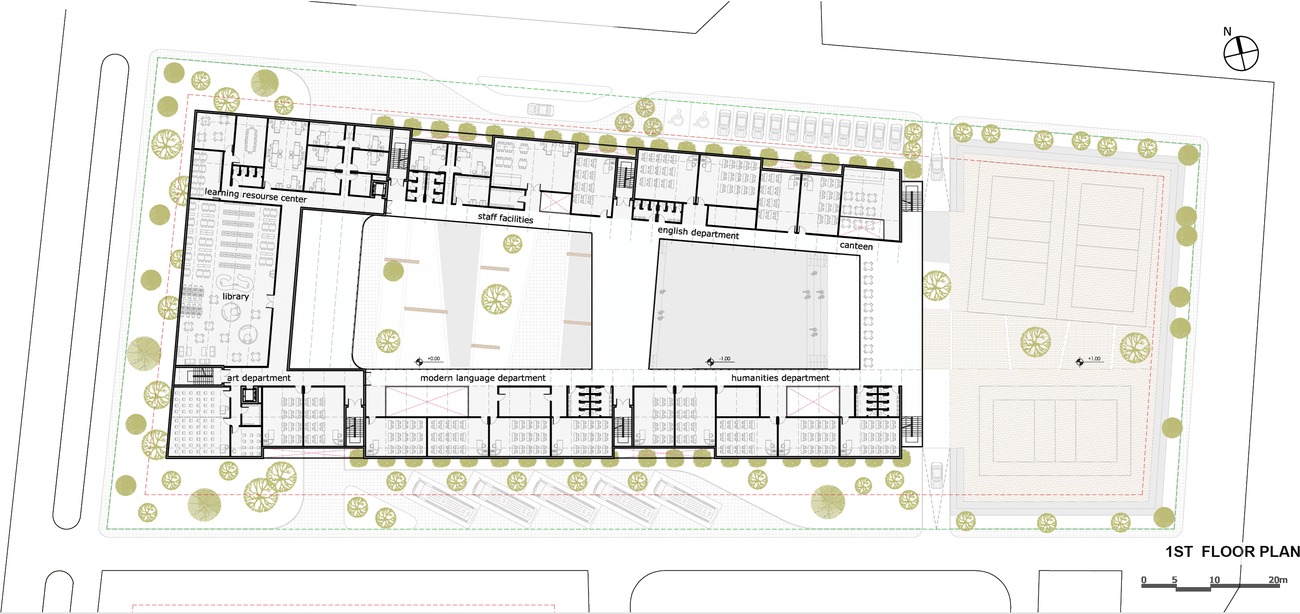
- The School building complex consists of three parts, the classes, the theatre and the Learning Resources Centre. This arrangement allows the independence of the various functions.
- The central courtyards allow the maximum interaction between the users of the various parts of the school complex.
- The Departments (classrooms and workrooms) and the Staff areas are situated at the north and south wings thus giving them an optimum lighting position, while the Arts and Music Department are situated at the southwest end of the wing connecting it to the theatre.
- The Learning Resources Centre and Theatre is situated at the west end of site creating a strong façade of the school from the main street, an independent use as well as a protection for the students and separates it from the noisy part of the school giving the privacy and quiet necessary for its proper functioning.
- The open air athletics grounds which occupy the East part of the site, have a configuration that allows for the most functional land use of the site and for the most appropriate orientation of both the track and the tennis courts
- An open air amphitheatre, positioned at the courtyard, complements the outdoor facilities.
- Landscaping inside and outside of the building is very important so we bring light and trees in the building with the use of several atriums and on the outside with a relaxed atmosphere ,using evergreen planting on the north and deciduous trees on the south following the rules of bioclimatic architecture.